
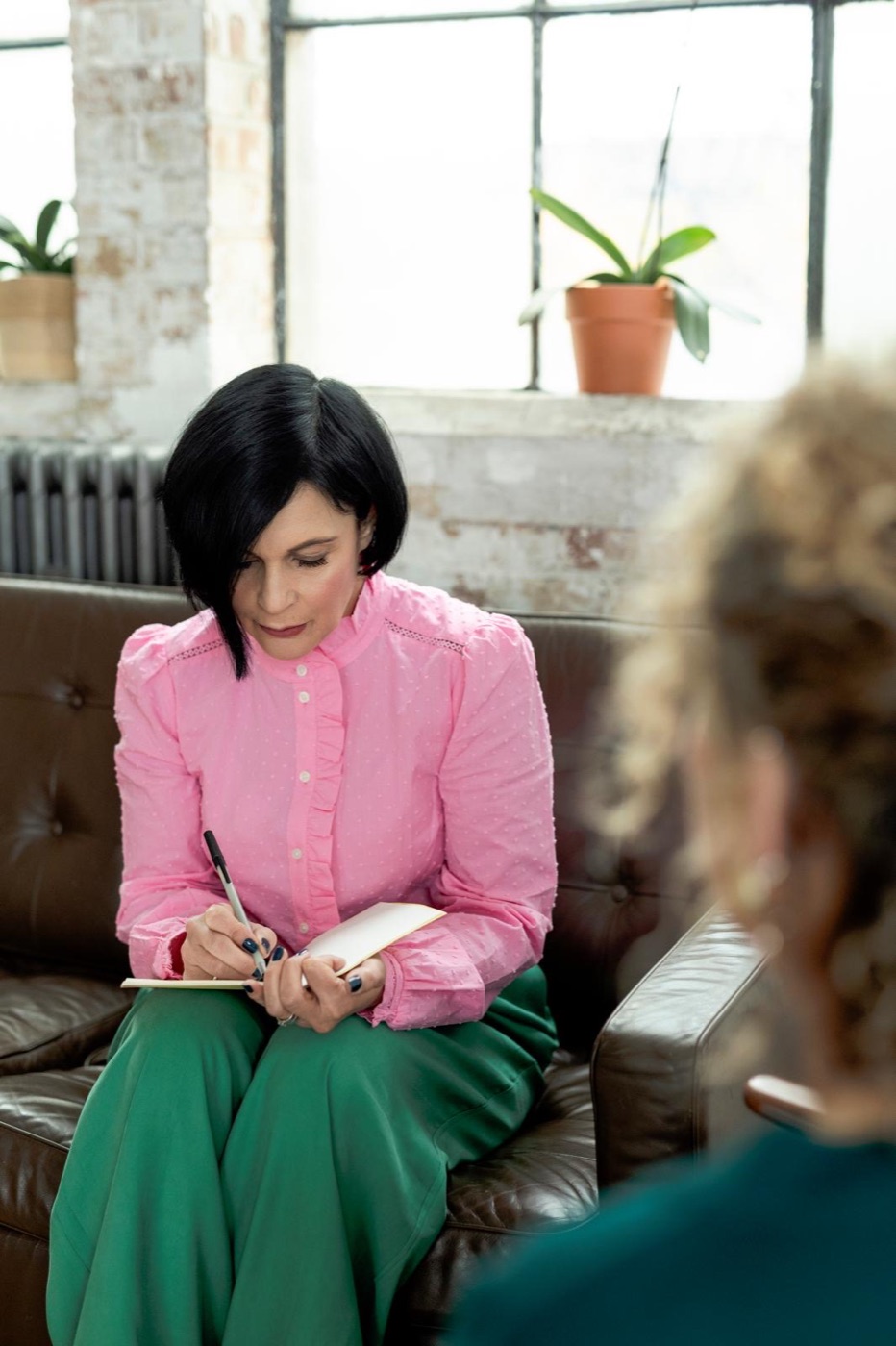
Before we meet, we do our homework. If we have received background information from you or from the person who referred you, we read it carefully before your consultation. This matters because many people arriving at our door have already told their story several times, to GPs, to therapists, to psychiatrists, to concerned family members. We do not want to be another clinician asking you to start from the beginning. Where we already have information, we will use it, and we will ask questions that are specific to your situation rather than generic ones you have answered many times before.
What the consultation is for
The initial consultation is not a full occupational therapy assessment. It is a focused, clinically informed conversation designed to give us both a clearer picture of where you are, whether OT is the right fit for you, and what the most useful next steps might look like.
It is also an opportunity for you to ask us questions. What do we do, how do we work, what would treatment actually involve, what might change? We want you to leave the session with a genuine understanding of occupational therapy and what working with Purpose People could offer you, not just a sense that another clinician has gathered information about you.
What we will ask you about
During the consultation your OT will ask about your current circumstances across a number of areas. These include your daily routines and how well you are managing the activities that structure your day, your home environment and whether it is supporting or adding to your difficulties, your social connections and relationships, your work or education situation if relevant, your sleep, your self-care and your ability to engage with the things that matter to you.
We will also ask about your emotional wellbeing and what has been happening for you recently, about any significant history that feels relevant to where you are now, and about who else you may currently be working with and how that support is landing. Understanding your existing team, or the absence of one, helps us to work out where OT fits in, whether that is alongside other professionals or as your primary point of clinical support.
What we are building throughout the conversation is an occupational picture of your life: not just your symptoms or your diagnosis, but the full texture of how you are functioning day to day and where the gaps are between the life you have and the life you want to be living.
What happens afterwards
Following your consultation you will receive a formal written summary outlining our findings and broad recommendations for next steps. This will be shared with you directly and, with your consent, with any other professionals involved in your care. Unless you tell us otherwise, we will also share a copy with your GP, so that they have a clear and current picture of where things stand and what is being recommended.
The summary is not a full OT report. It is a clear, professional document that gives you and anyone supporting you a meaningful starting point for what comes next.